Welcome to Micron.com, please Log in or Register an account to continue.






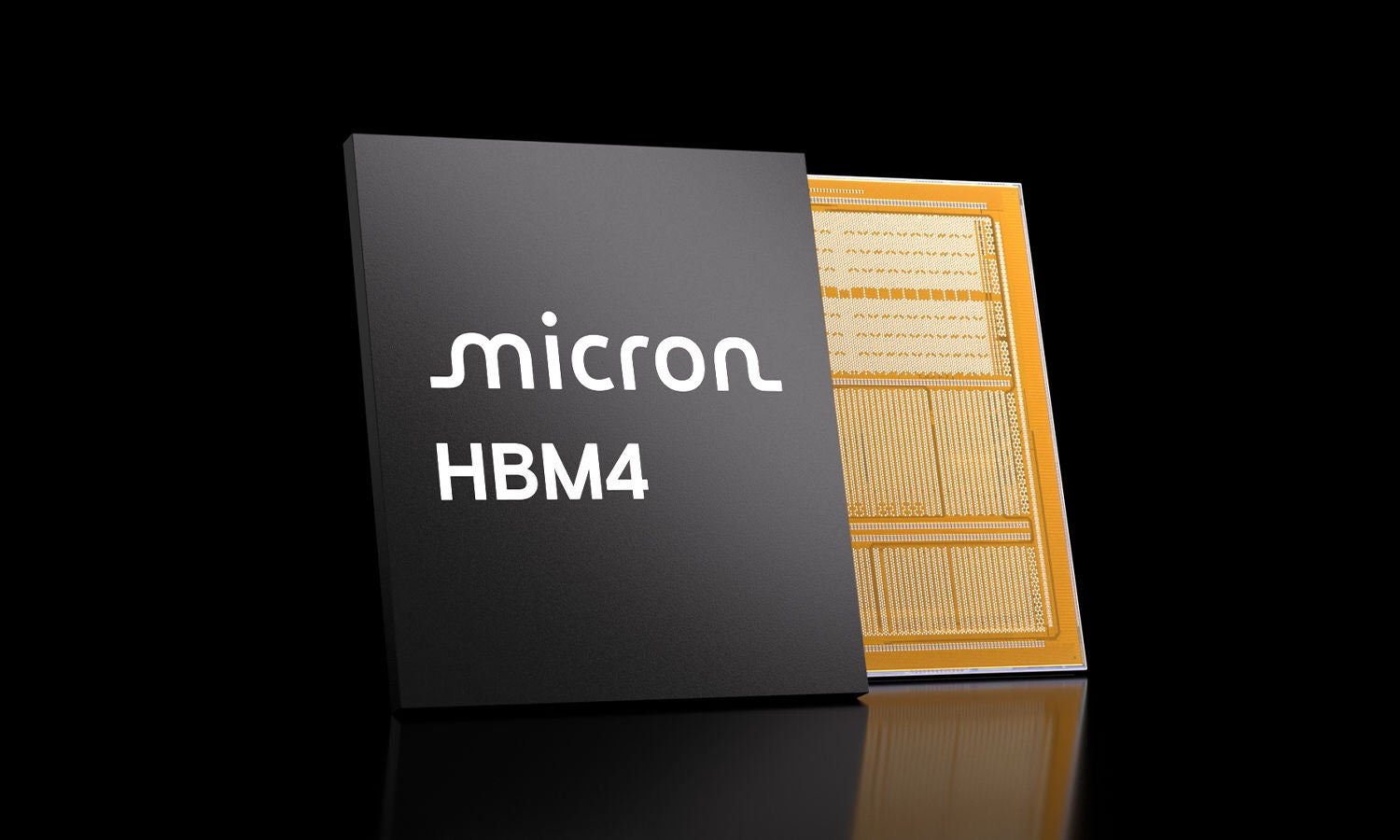
Micron high-performance memory
Micron’s high-bandwidth memory portfolio, including proven HBM3E and next-generation HBM4 solutions, is designed to deliver the capacity, bandwidth, power efficiency, and scalability needed to support the world’s most demanding computing environments. Contact our Sales Support team to maximize bandwidth for data-intensive workloads.
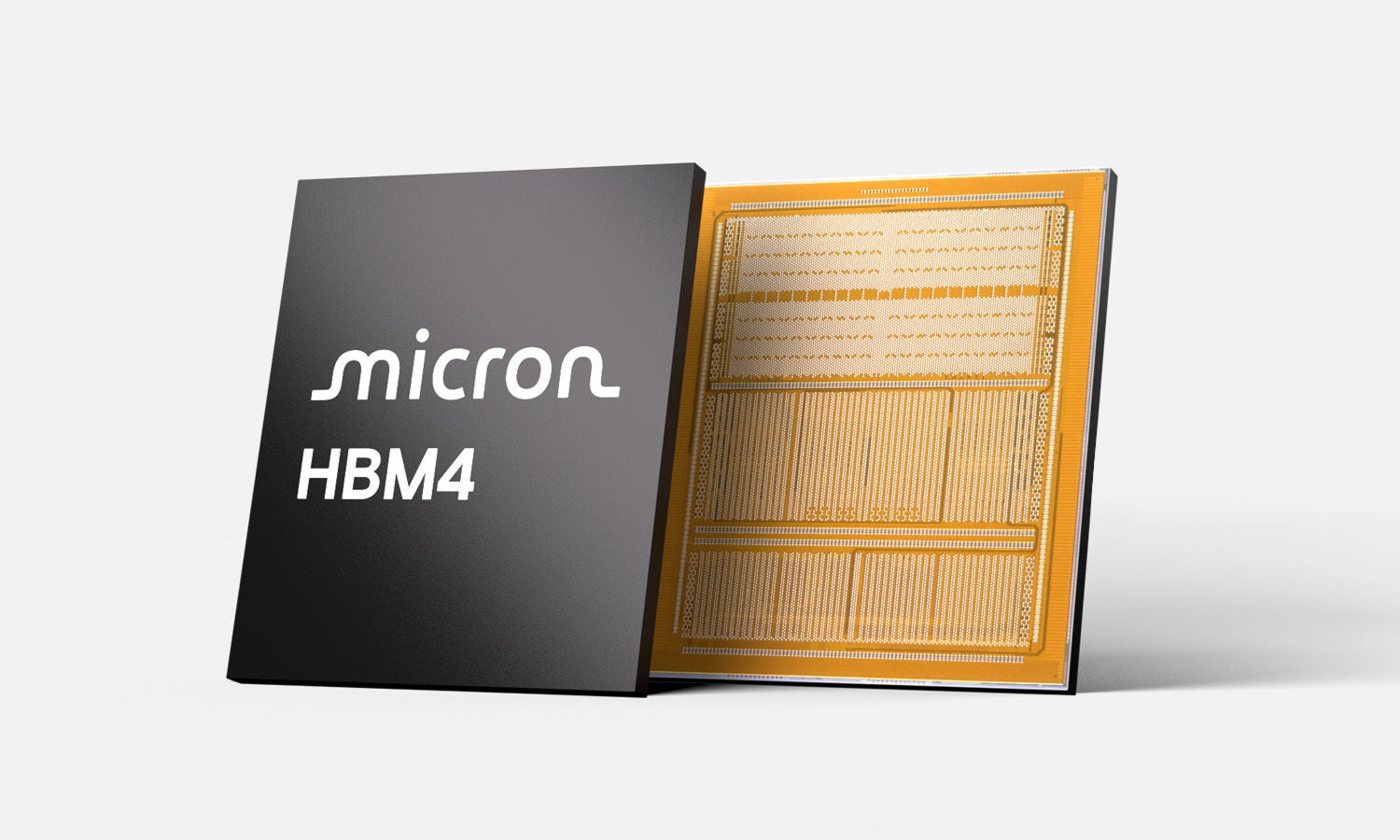
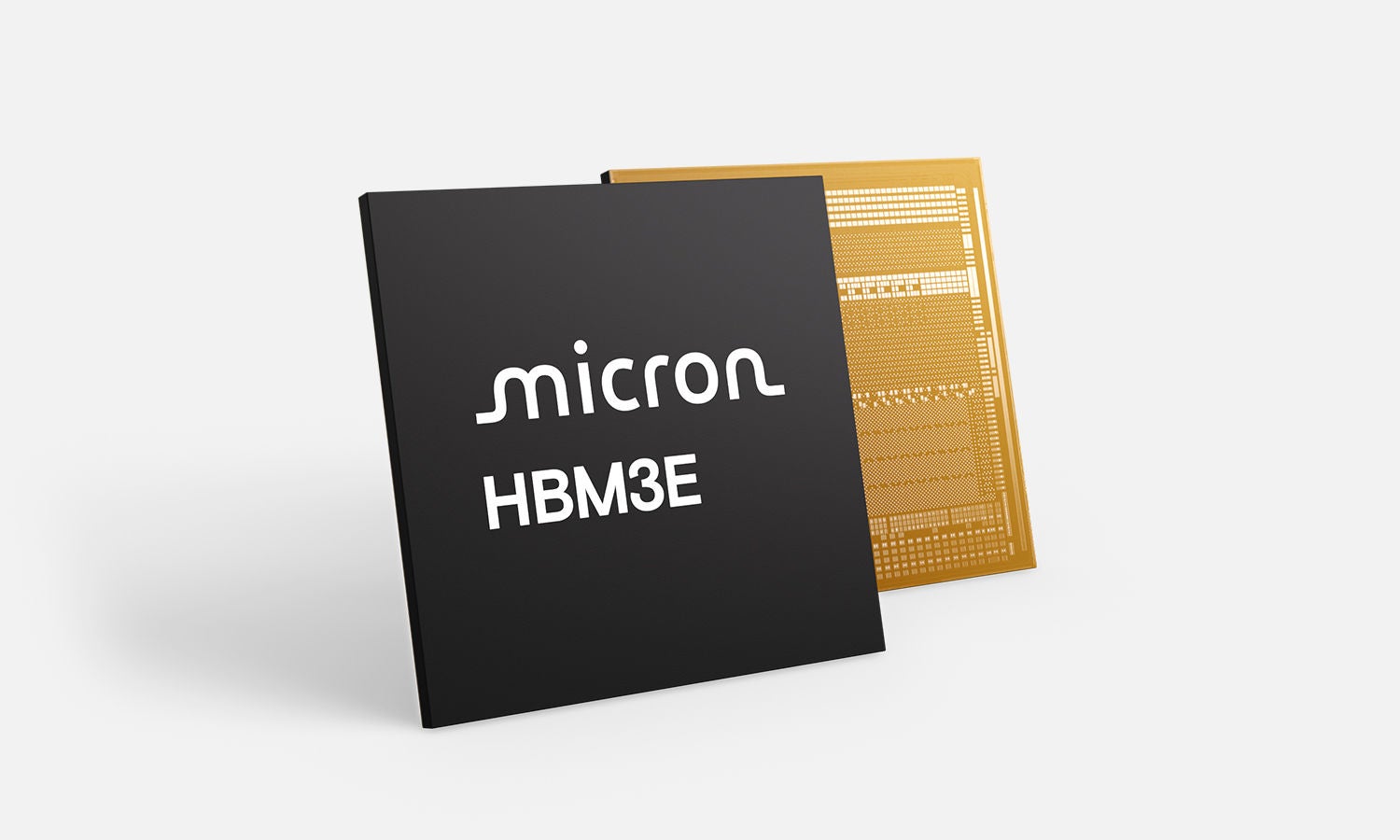
Built for AI and high-performance computing
Micron’s HBM portfolio is designed to deliver the bandwidth, capacity, and power efficiency needed for demanding AI and high-performance computing (HPC) workloads. By delivering the performance needed by modern computing systems, Micron HBM solutions help enable faster AI training and inference, advanced modeling and simulation, and data-intensive analytics. Serving hyperscale cloud providers, AI infrastructure platforms, supercomputing environments, scientific research, and enterprise data centers, the portfolio helps organizations scale increasingly complex workloads.

Featured Resources

HBM FAQs
While a standard DDR5 module relies on a narrower bus operating at exceptionally high clock speeds, HBM utilizes a highly parallelized, wide-interface architecture.
For example, a single Micron HBM cube features a 1024-bit-wide data interface — supporting 32 independent channels — which is 16 times wider than that of a standard DDR5 module. This allows HBM to move vast amounts of data at much lower energy per bit.
Additionally, HBM is integrated directly into a system-in-package (SiP) alongside the CPU or GPU via a silicon interposer, shortening the physical distance data must travel.
Yes. HBM is designed to use less energy for each bit of data transferred. Because it sits close to the processor and uses shorter connections, it reduces power consumption while still delivering high performance.
Micron leverages its proprietary 1β (1-beta) DRAM node, low-power circuit design techniques and advanced signal/power integrity solutions to minimize power consumption. By reducing current draw and lowering power per bit, data centers can achieve significant total cost of ownership (TCO) savings and operate more sustainable AI infrastructure.
The biggest advantage of HBM is its ability to move extremely large amounts of data very quickly. This high data throughput keeps processors busy rather than waiting for data, which is critical for performance-intensive applications like AI and advanced computing.
1. Based on internal Micron testing and confidential customer test vehicle validation.
2. Comparing the bandwidth of HBM4 to the previous generation HBM3E with the same capacity and stack height (36GB 12H).
2. Comparing the bandwidth of HBM4 to the previous generation HBM3E with the same capacity and stack height (36GB 12H).