



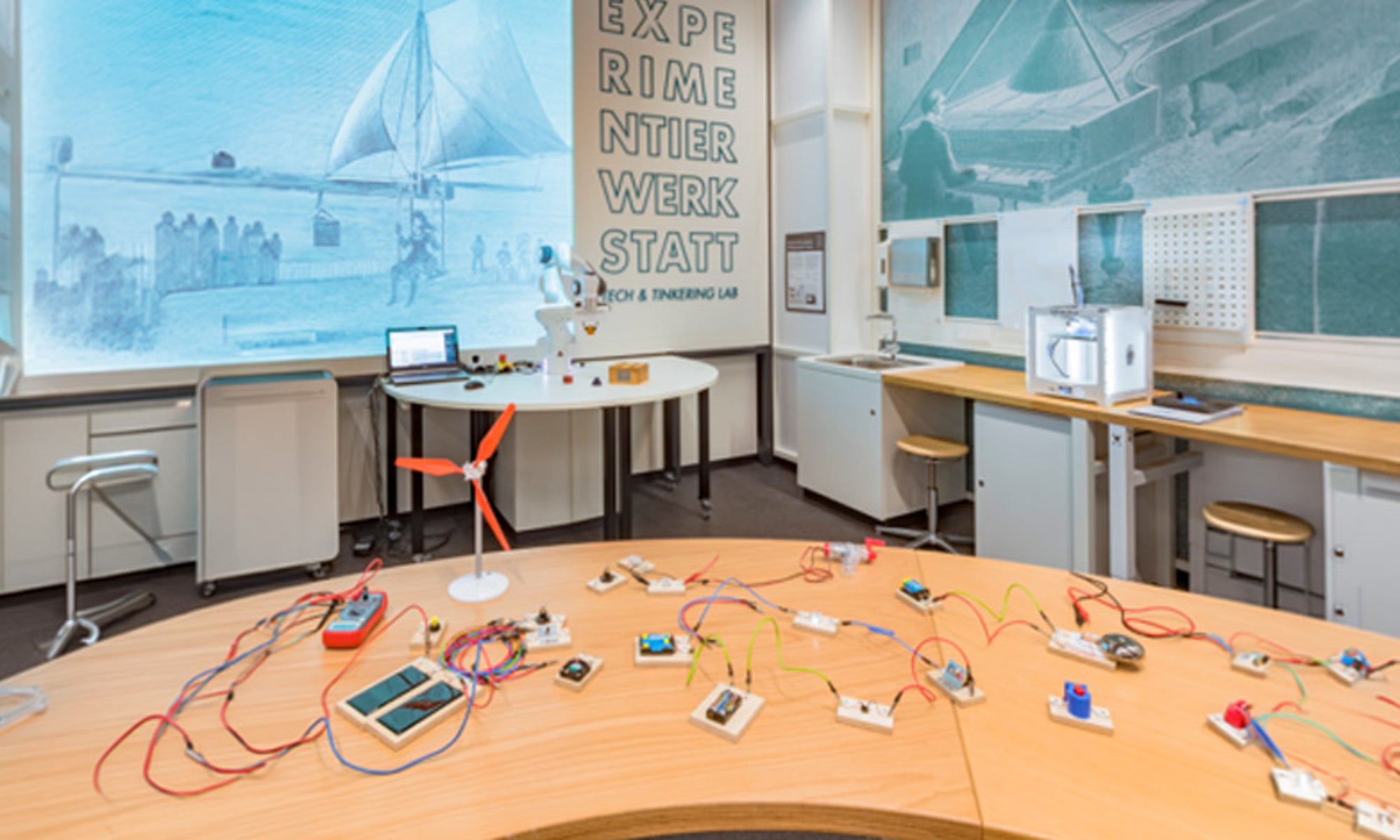
When I was a kid growing up in Munich, my favorite place was the Deutsches Museum, as I know today, the home to the first European transistor.
During summer holiday, visiting the Deutsches Museum was a yearly highlight. I will never forget my dad driving my two brothers and me in the early hours of the morning from the Stuttgart area to the museum in Munich, where we arrived at the opening time and spent the full day. The Deutsches Museum shows all kinds of amazing engineering work, from mining and steam machines to cars, airplanes and — not to forget — electronics, including one of the first programmable computers — the Zuse Z3, with punched paper tape as memory for the program. There was a radio transmission station and, not to forget, a show on power electricity generating flashes and lighting up a Faraday cage. We always spent the full day in the museum and quickly fell asleep in the car when Dad drove us back home — I still ask myself how he could stay awake.
Click image to expand
Today, I still believe nothing beats learning by doing. It was always so inspiring to have engineering and science on display to see and experience. It steered me into my field of study, and ultimately my career. Science centers and experiential learning spaces are more than museums. They are launchpads for future problem-solvers. It made me want to become an engineer, a leader, a volunteer and then a member of the Micron Foundation Board. I make sure to dedicate my time and energy to empowering the future and honoring my own past.
Where it all began
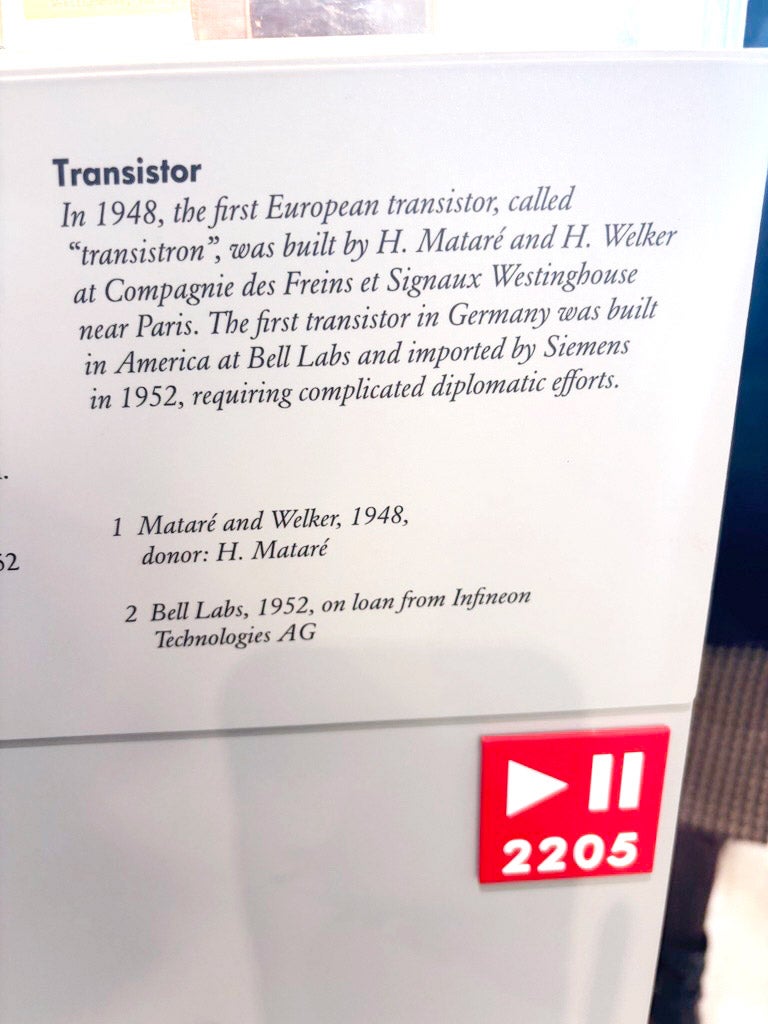
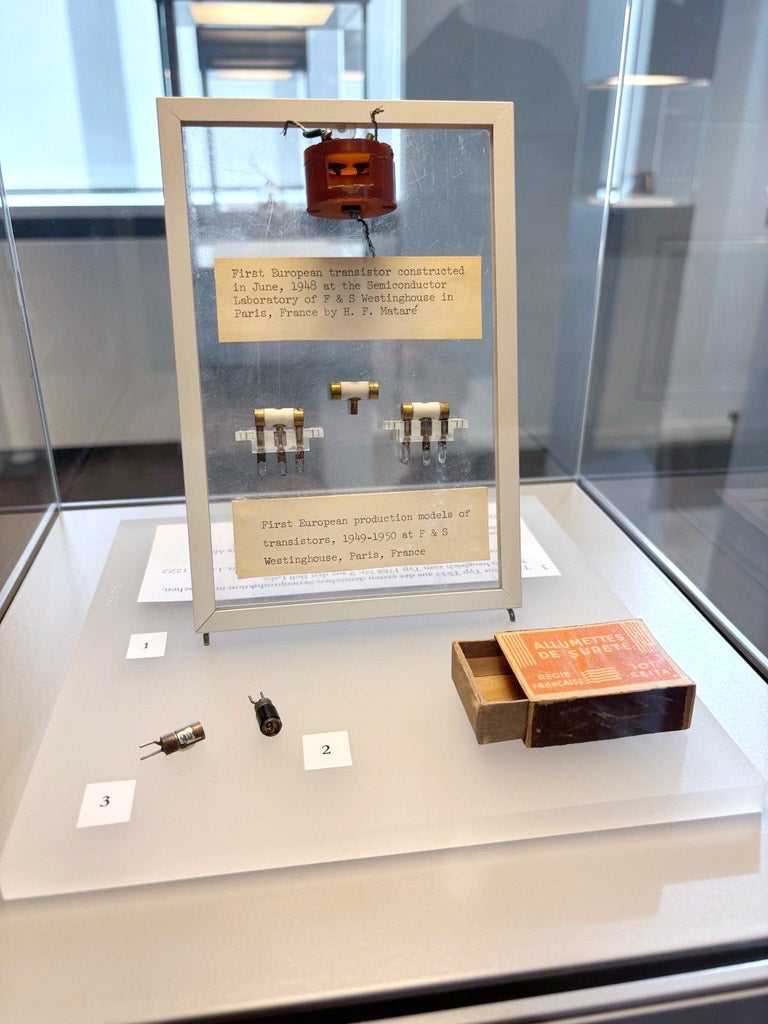
The Deutsches Museum in Munich is home to the first European transistor — one of the exhibits that first sparked my curiosity about engineering and electronics.
Click image to expand
Why hands-on STEM learning works
You can read about transistors or coding in a textbook, but it’s not the same as building a circuit or programming a robot. When you see how sound waves move or how a sensor works, it sticks with you. That “aha” moment makes science real. It’s the spark that gets kids interested and keeps them coming back.
Micron’s commitment: Opening doors around the world
At Micron, we know that a single spark can change lives. We support science centers and hands-on STEM programs in many countries. In the last five years, we have helped hundreds of thousands of students and families get access to these experiences, helping to shape the leaders and innovators of tomorrow.
Click image to expand
Why this matters
The world is full of tough challenges. We need engineers, scientists and creative thinkers who are ready to solve them. It all starts with curiosity and the chance to build something with your own hands. When we fund something like an exhibit, it lives on. Exhibits, like monuments, influence or celebrate achievements, capture moments in history, and show things that we are proud of and that societies value. Micron is proud to contribute to its communities by enabling these public goods that will outlive us all.
For me, that spark was lit at the Deutsches Museum. For millions of kids today, it’s being lit in Micron-supported centers and labs around the world. That’s why I will always support hands-on STEM learning.
To learn more about our investments in science centers and museums, visit: www.micron.com/gives.
